
Acne is one of the most common skin conditions in the world, affecting people of all ages, genders, and backgrounds. While it is often associated with teenagers, modern research shows that acne increasingly affects adults well into their 30s, 40s, and even 50s. In 2026, with thousands of acne treatment products flooding the global skincare market from drugstore cleansers to prescription medications and high-tech laser treatments please and please understand that choosing the right solution has never been more confusing.
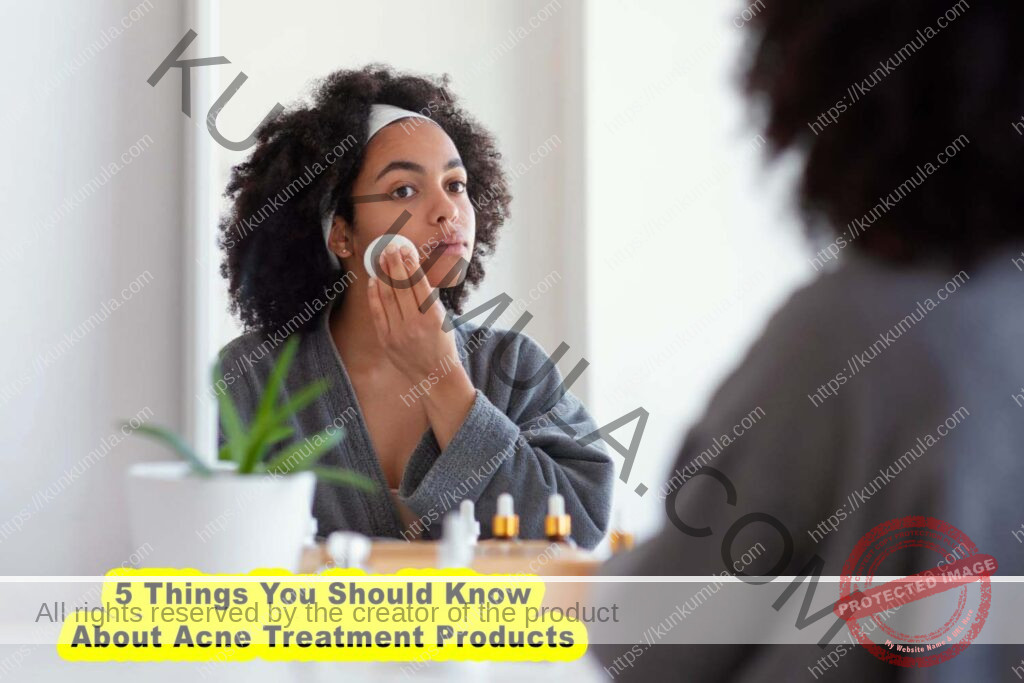
Global dermatology estimates show that acne affects over 85% of people between the ages of 12 and 24, and nearly 40–55% of adults experience some form of persistent or recurring acne. The global acne treatment market is now valued in the billions of US dollars, driven by social media marketing, influencer endorsements, and a growing focus on beauty and self-care.
But here’s the truth: acne is not a one-size-fits-all problem, and there is no miracle cure that works overnight. Effective acne management requires knowledge, patience, and informed decision-making.
In this updated 2026 guide, we explore five essential things you should know about acne treatment products before spending your money or risking your skin’s health.

1. Know What You’re Buying (And What Your Skin Actually Needs)
One of the biggest mistakes people make when buying acne treatment products is relying purely on advertising. Flashy commercials, viral TikTok videos, and celebrity endorsements often promise instant results but at the end of the day rarely explain whether a product is right for your skin.
Understanding Your Skin Type
Before choosing any acne medication or skincare product, you must understand your skin type. The most common skin types include:
- Oily skin – Produces excess sebum and is more prone to clogged pores
- Dry skin – Can become irritated easily by harsh acne products
- Combination skin – Oily in some areas (usually the T-zone) and dry in others
- Sensitive skin – Reacts quickly to fragrances, alcohols, or strong active ingredients
Using the wrong acne treatment for your skin type can make acne worse rather than better.
Key Acne Fighting Ingredients in 2026

Modern acne treatment products often contain clinically proven active ingredients, such as:
- Salicylic acid – Helps unclog pores and reduce inflammation
- Benzoyl peroxide – Kills acne-causing bacteria (Cutibacterium acnes)
- Retinoids (retinol, adapalene) – Increase cell turnover and prevent clogged pores
- Azelaic acid – Reduces redness, bacteria, and post-acne marks
- Niacinamide – Controls oil and strengthens the skin barrier
Knowing what each ingredient does and whether your skin can tolerate it, because it is far more important than brand names or packaging.
Bottom line: An informed buyer protects their skin and their wallet.

2. Acne Treatment Requires Patience (There Is No Overnight Cure)
“You want to get rid of acne in 24 hours? Buy this product now!”
If that sounds familiar, you’re not alone. Acne marketing thrives on urgency and unrealistic promises. Unfortunately, acne does not work that way.
The Reality of Acne Healing
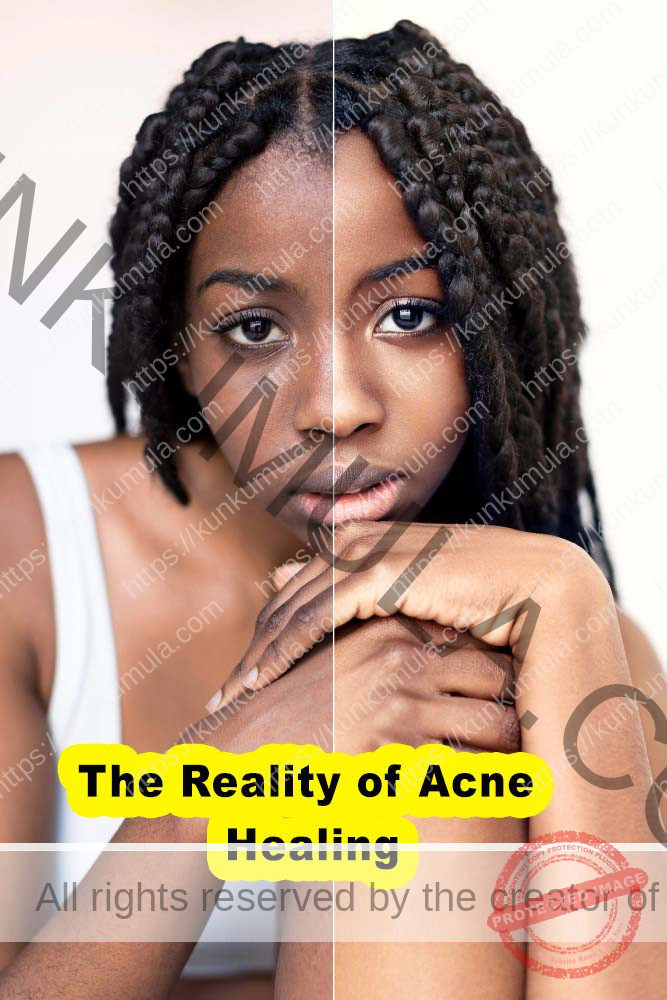
Dermatologists agree that most acne treatments take 6 to 12 weeks to show visible improvement. In the early stages, some products may even cause temporary breakouts a process known as purging as clogged pores clear out.
Statistics from clinical studies show that:
- Over 70% of users stop acne treatment too early, before results can appear
- Consistent use improves treatment success rates by more than 60%
Stopping too soon or constantly switching products prevents your skin from adjusting and healing properly.
Why Patience Matters
Acne forms beneath the skin weeks before it becomes visible. That means today’s breakout may be the result of something that happened a month ago hormones, diet, stress, or skincare habits.
Successful acne treatment is about long-term consistency, not quick fixes.

3. Never Pop Pimples (It Causes Long Term Damage)
Standing in front of the mirror, staring at a whitehead or inflamed pimple, you may hear a tempting voice saying: “Just pop it.”
Don’t listen.
What Really Happens When You Pop Pimples
Popping pimples forces bacteria, pus, and oil deeper into the skin. This can:
- Increase inflammation
- Spread bacteria to nearby pores
- Delay healing
- Cause permanent scarring or dark spots
Medical data shows that up to 30% of acne scars are caused by manual picking or popping.
The Cost of Acne Scars
Treating acne scars is far more expensive and time-consuming than treating acne itself. Scar treatments may require:
- Chemical peels
- Microneedling sessions
- Laser treatments
- Months or years of topical care
Prevention is always cheaper and safer than correction.
If a pimple is painful or cystic, consult a dermatologist instead of trying to handle it yourself.
4. Be Careful with Side Effects of Acne Treatment Products
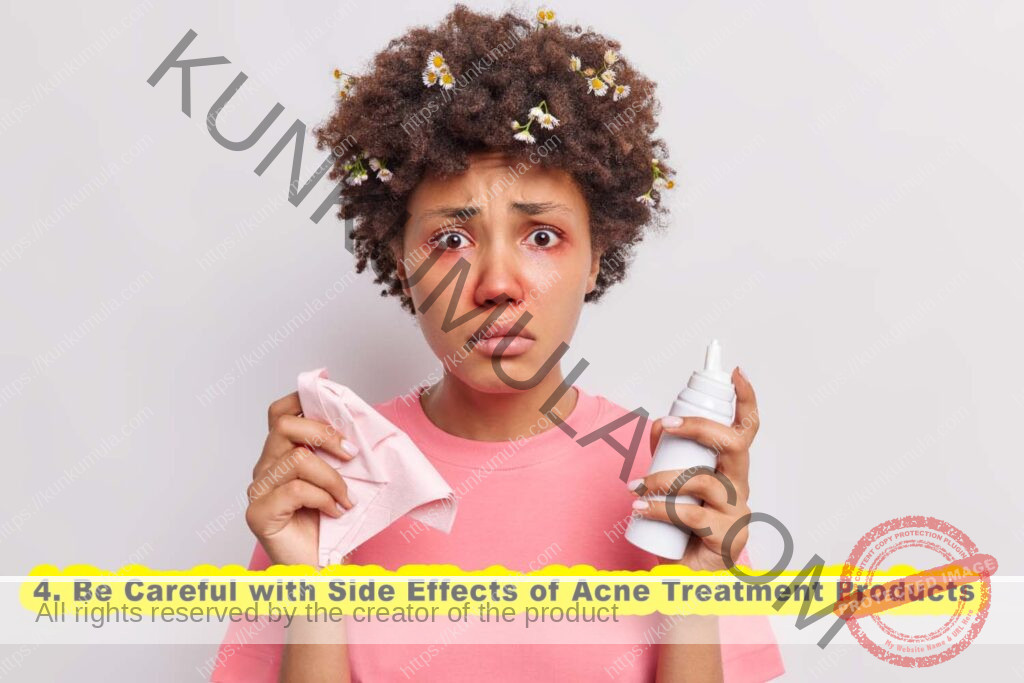
Even the best acne medication can cause side effects if used incorrectly or without proper guidance.
Common Side Effects
Depending on the product, possible side effects include:
- Skin dryness and peeling
- Redness and irritation
- Burning or stinging sensation
- Allergic reactions
- Increased sun sensitivity
Stronger treatments especially prescription retinoids or oral medications can cause more serious reactions if not monitored.
Natural vs. Clinical Treatments

In 2026, many people are turning to natural acne treatment products as gentler alternatives. Common natural ingredients include:
- Tea tree oil – Antibacterial and anti-inflammatory
- Aloe vera – Soothes irritation and redness
- Green tea extract – Reduces oil production
- Zinc – Supports skin healing and reduces inflammation
Tea tree oil, in particular, has been shown in multiple studies to reduce mild to moderate acne when used correctly.
However, “natural” does not always mean “safe for everyone.” Even herbal ingredients can cause reactions, especially on sensitive skin.
Always patch-test new products and consult a professional when in doubt.
5. Want to Remove Acne Scars Quickly and Effectively?
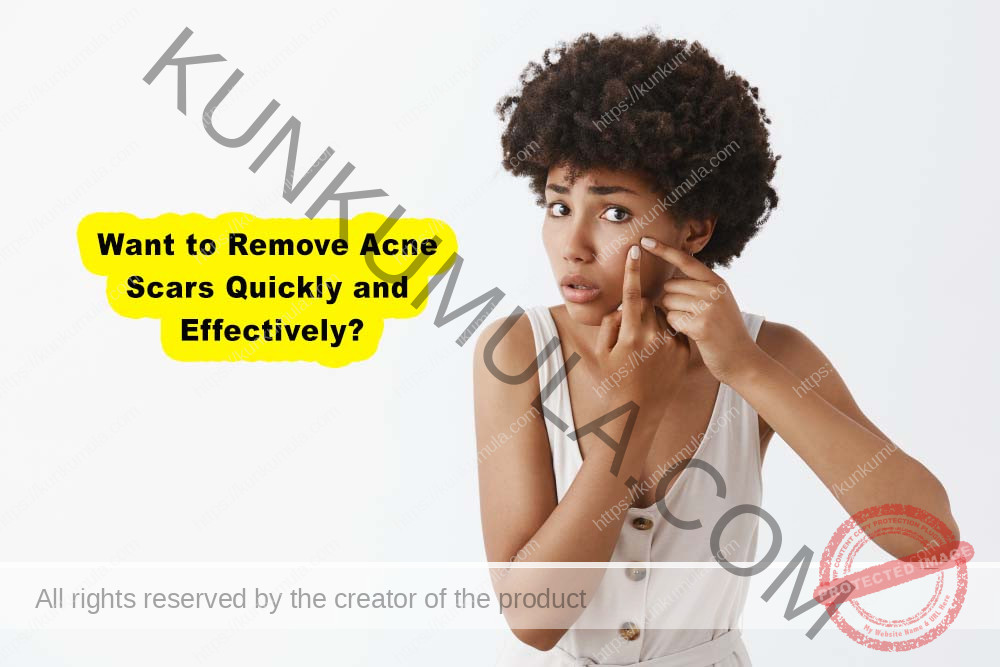
If acne scars are already affecting your confidence, modern dermatology offers advanced solutions.
Laser Acne Scar Treatment in 2026
Laser treatments have become faster, safer, and more effective than ever. Popular options include:
- Fractional laser therapy
- CO₂ laser resurfacing
- Non-ablative laser treatments
These procedures work by stimulating collagen production and resurfacing damaged skin.
What to Consider Before Laser Treatment
- Results vary depending on scar type and skin tone
- Multiple sessions may be required
- Costs can be high but results are long-lasting
- Mild redness and downtime may occur
When performed by licensed professionals, laser treatments are generally safe and well-tolerated. Always consult a certified dermatologist or medical clinic for personalized advice.
Final Thoughts: Smart Choices Lead to Clearer Skin
Acne is not a personal failure but it is a complex skin condition influenced by genetics, hormones, lifestyle, and environment. In 2026, you have more acne treatment options than ever before, but success still depends on education and consistency.
Key Takeaways
- Understand your skin before buying acne products
- Ignore miracle claims and commit to patience
- Never pop pimples
- Watch out for side effects
- Explore professional treatments when necessary
With the right knowledge and approach, clear and healthy skin is achievable.
Comments
Just hopped on the 80 Jili bandwagon. Logging in was a piece of cake. All thanks to this 80jili net login, check their official site directly!