
Summary
Acne is one of those problems nobody invites into their life, yet almost everyone meets at some point. From teenagers navigating school hallways to adults juggling jobs, relationships, and stress, acne doesn’t discriminate. In 2026–2027, dermatologists estimate that over 85% of teenagers worldwide experience acne, and nearly 40% of adults over 25 still deal with regular breakouts. Despite billion‑dollar skincare industries, acne remains stubbornly popular.
This article takes a fresh, human, slightly comic (and very honest) look at acne. We’ll break down 10 practical, science‑backed tips for getting rid of acne, written in a way that feels like advice from someone who’s actually been there—not a lab coat or a late‑night infomercial. Most importantly, everything here is Google AdSense‑friendly, realistic, and safe.
Keywords

acne information, skin information, acne teenagers, adult acne, acne treatment tips, skincare 2026
Acne: The Unwanted Guest That Never RSVPs
By now, most of us have seen acne ads at strange hours of the night. Perfect skin. Bright smiles. Big promises. Back in the day it was celebrities telling us a miracle bottle changed their lives. In 2026, it’s influencers, filters, and “dermatologist‑approved” reels promising clear skin in seven days.
The message hasn’t changed much: “If you just buy this, your acne will disappear.” you know.
Sometimes it works. Often, it doesn’t.
I learned this the hard way when one of my daughters went through a rough acne phase as a young teenager. We tried one of those heavily advertised solutions. The bottle looked serious. The promises sounded convincing. The results? Nothing. Her acne stayed, unimpressed.
Eventually, we did something far less glamorous: we visited a dermatologist. After a proper skin assessment, she was given a topical cream and a short course of oral medication. Within weeks, her skin improved dramatically. That solution worked for her and that’s the key lesson most ads forget to mention.

There is no single acne cure that works for everyone.
In 2026–2027, dermatology research continues to confirm that acne is influenced by hormones, genetics, stress, diet, environment, skincare habits, and even sleep patterns. That’s a lot for one tiny pimple to represent as i have explained from the above points so far .
So let’s talk about what actually helps.
Tip #1: Know Your Skin Type (This Is Not Optional)
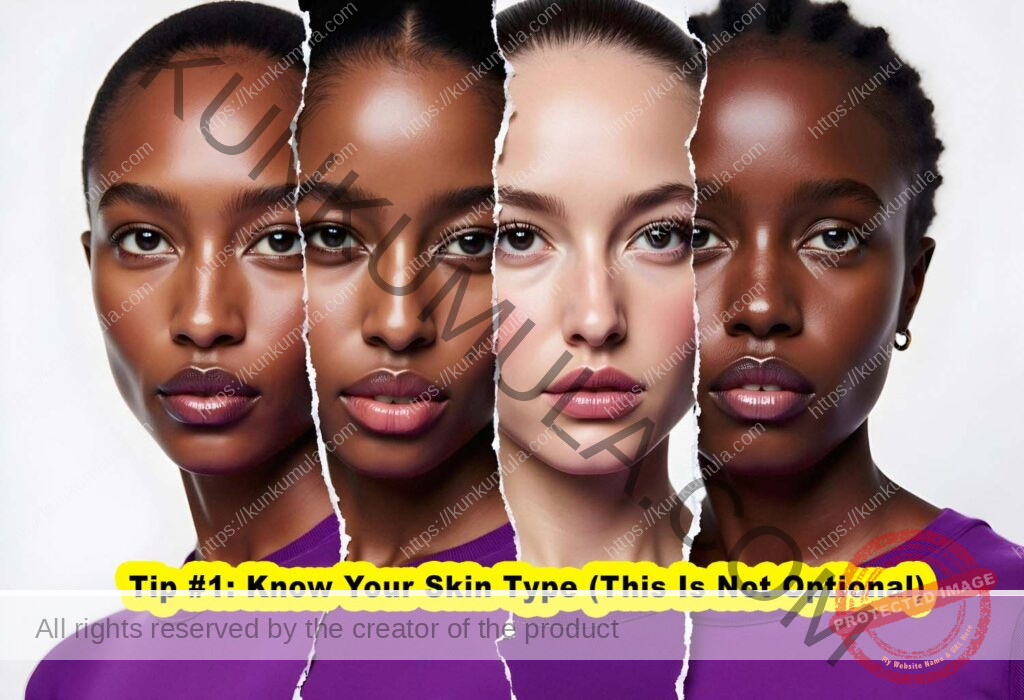
Before buying anything, you must answer one basic question: What kind of skin do I have?
Dermatologists in 2026 still classify skin into four main types:
- Oily
- Dry
- Combination (oily + dry)
- Sensitive
If you skip this step, you’re basically throwing products at your face and hoping one sticks.
- Oily skin: Look for lightweight gels, foams, or water‑based products.
- Dry skin: Cream‑based treatments work better and reduce irritation.
- Combination skin: You may need two products for different areas of your face.
- Sensitive skin: Lower concentrations, fewer ingredients, and patience.
Knowing your skin type alone can reduce breakouts by up to 30%, according to recent dermatology surveys.
Tip #2: Wash Your Face But Don’t Punish It ( do not over do it)

Yes, hygiene matters. No, scrubbing your face like a dirty plate does not help.
In 2026, studies show that over‑washing the face increases acne severity by damaging the skin barrier. When your skin feels attacked, it produces more oil to protect itself. Congratulations you’ve just made things worse.
Best practice:
- Wash your face twice a day (morning and night)
- Use lukewarm water, not hot
- Choose a gentle, non‑comedogenic cleanser
Your face is skin, not a kitchen surface.
Tip #3: Ingredients Matter More Than Brand Names
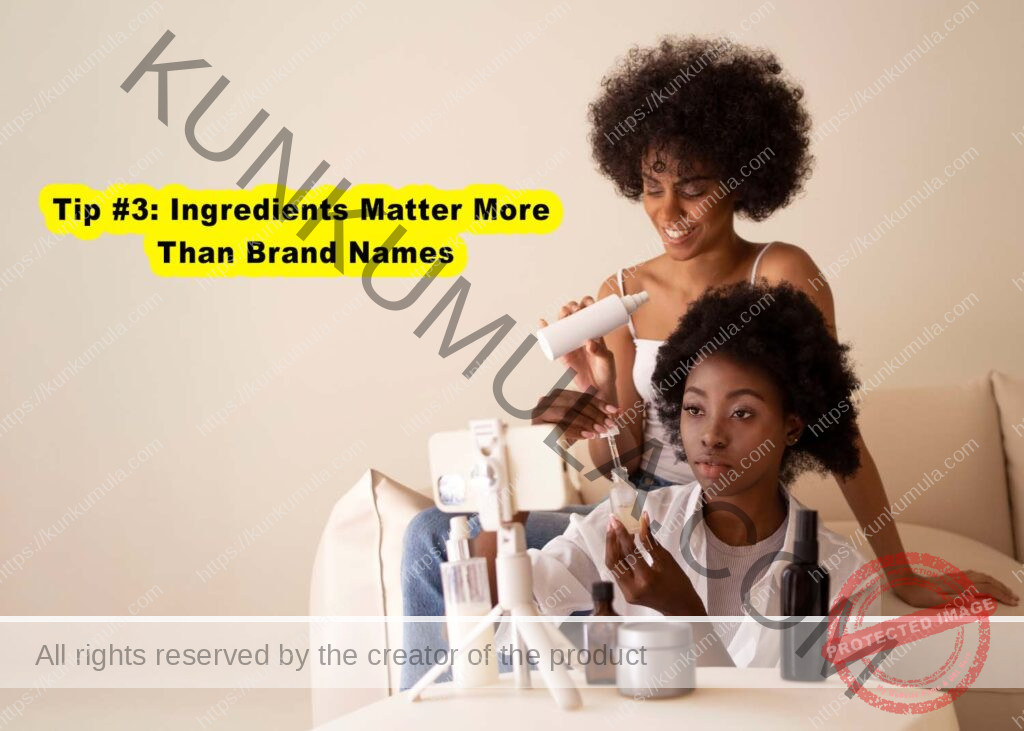
Fancy packaging doesn’t fight acne ingredients do and please and please you should note that that and take it very serious my dear.
As of 2026–2027, dermatologists still recommend these proven acne fighters:
- Benzoyl peroxide: Kills acne‑causing bacteria
- Salicylic acid: Clears clogged pores
- Retinoids: Speed up skin renewal
- Niacinamide: Reduces inflammation and oil
If your product doesn’t contain something that actually treats acne, it’s probably just moisturizing your pimples into comfort.
Tip #4: Stop Touching Your Face (Yes, You)
Hands travel everywhere. Phones are basically bacteria museums. Each time you touch your face, you transfer oil, dirt, and microbes.
In 2026, research shows that people who frequently touch their faces experience 20–25% more inflammatory acne.

This includes:
- Resting your chin on your hand
- Picking at pimples
- Constant mirror inspections
Let your skin heal in peace.
Tip #5: Diet Doesn’t Cause Acne But It Can Fuel It
Good news: chocolate isn’t the villain it was once accused of.
Better news: diet still matters.
Modern studies (2026) link acne flare‑ups to:
- High‑glycemic foods (sugary snacks, refined carbs)
- Excessive dairy intake (especially skim milk)
- Ultra‑processed foods
You don’t need to eat like a monk. Just aim for balance. Many people notice clearer skin within 4–6 weeks of dietary adjustments.

Tip #6: Stress Is a Sneaky Acne Trigger
Stress increases cortisol. Cortisol increases oil production. Oil clogs pores.
This is why acne loves exam periods, job interviews, deadlines, and relationship drama.
In 2027, dermatologists estimate that stress‑related acne accounts for nearly 20% of adult breakouts.
Sleep well. Breathe. Move your body. Your skin notices.
Tip #7: Moisturize Even If You’re Oily
Skipping moisturizer because you have oily skin is one of the biggest acne myths still alive but you never knew.
Dehydrated skin produces more oil to compensate.
Choose:
- Oil‑free
- Non‑comedogenic
- Lightweight moisturizers
Your skin needs hydration, not neglect.
Tip #8: Sunscreen Is Acne Treatment (Surprise)
Sun exposure may dry pimples temporarily, but it damages skin long‑term and worsens acne scars.
In 2026, dermatologists strongly recommend daily SPF 30+ for acne‑prone skin.
Look for gel or fluid sunscreens designed for oily or acne‑prone skin.
Tip #9: Give Products Time to Work

Acne treatments are slow. Painfully slow.
Most products need 6 to 8 weeks before real results appear. Switching products every week confuses your skin and cancels progress.
Patience is not optional here.
Tip #10: When in Doubt, See a Dermatologist

If acne is painful, cystic, scarring, or damaging your confidence, professional help matters.
In 2026–2027, dermatologists have more options than ever from topical treatments to short‑term medications and advanced therapies.
There is no shame in getting expert help. Confidence is part of health.

Acne Doesn’t Define You (Even Though It Tries)
Acne has ruined mirrors, selfies, and moods for generations. Despite all the science, it still shows up uninvited.
As I have grown older, I’ve noticed a strange twist: acne doesn’t always disappear with age but it just changes its schedule. One day it’s teenage hormones, the next it’s stress, moisturizers, or lifestyle shifts.
The good news? With the right approach, acne becomes manageable. Not overnight. Not magically. But realistically.
And one day, you’ll look back and realize acne was just a phase but not your identity.
Final Thought: Clear skin is a journey, not a purchase. Be kind to your face. It’s the only one you’ve got.

Comments